
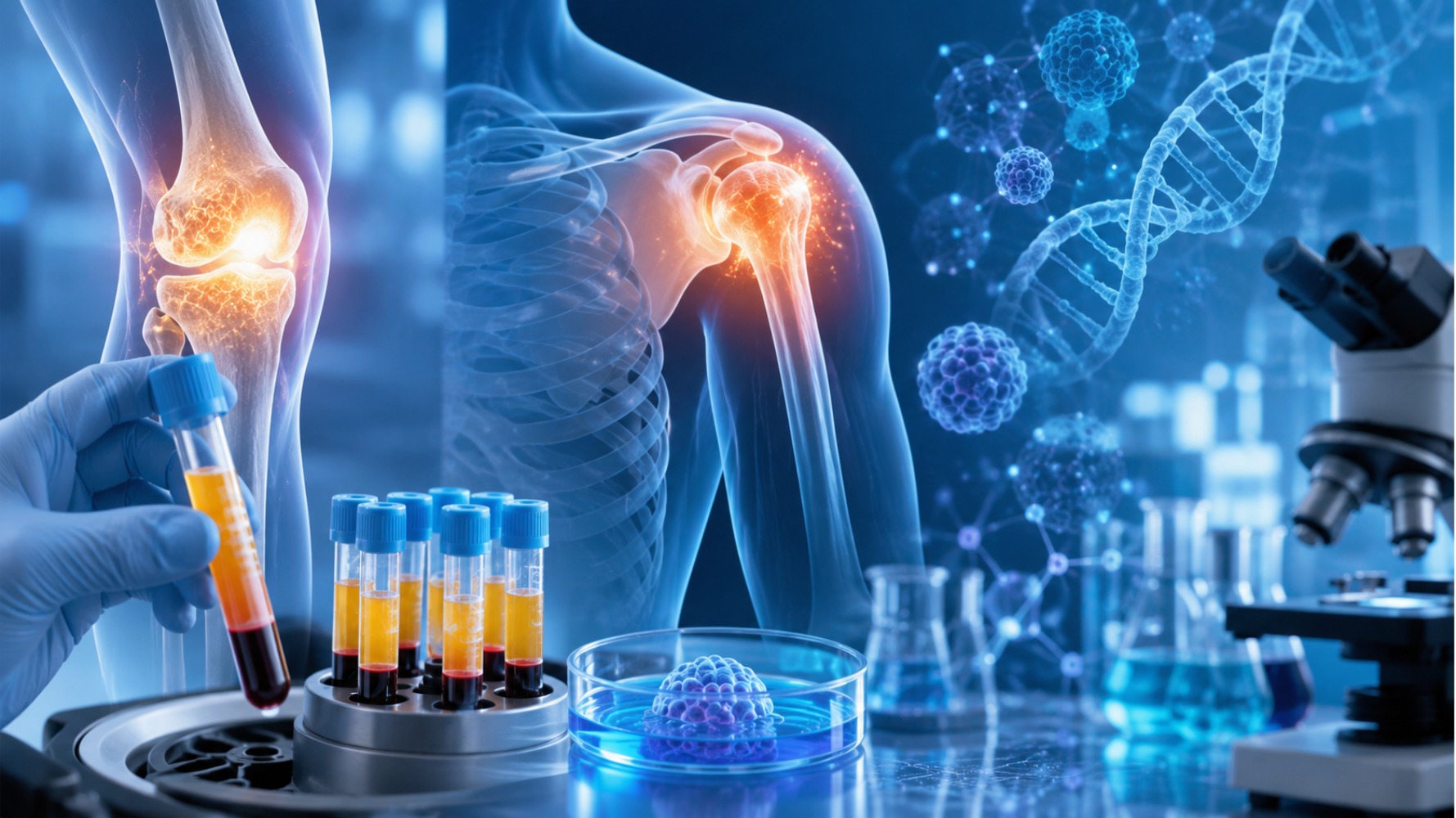
Medical science has advanced significantly in recent years, offering new treatment options that encourage the body to heal naturally. Regenerative medicine is one such breakthrough, helping patients recover from pain and injuries with minimally invasive techniques.
Instead of simply treating symptoms, regenerative therapies focus on repairing damaged tissues and supporting natural healing.
Regenerative medicine uses the body’s own healing processes to repair injured tissues, reduce inflammation, and improve function.
It is commonly used for:
Patients often choose regenerative medicine because it offers:
Regenerative medicine may be suitable for individuals experiencing:
A detailed clinical assessment helps determine whether regenerative therapy is the right option.
Regenerative medicine often works best when combined with:
A comprehensive approach provides better long-term outcomes.
Regenerative medicine represents the future of pain management by promoting healing rather than simply controlling symptoms. With personalised treatment plans, patients can experience improved function and a better quality of life while avoiding unnecessary surgery whenever possible.